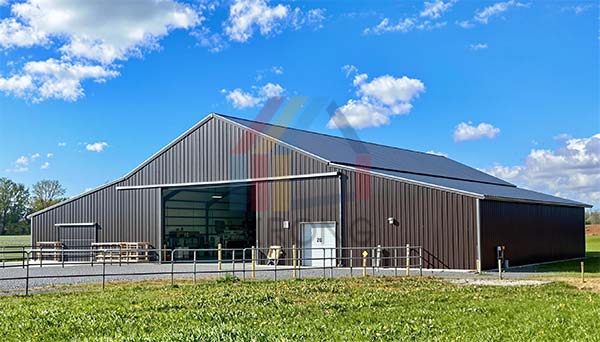
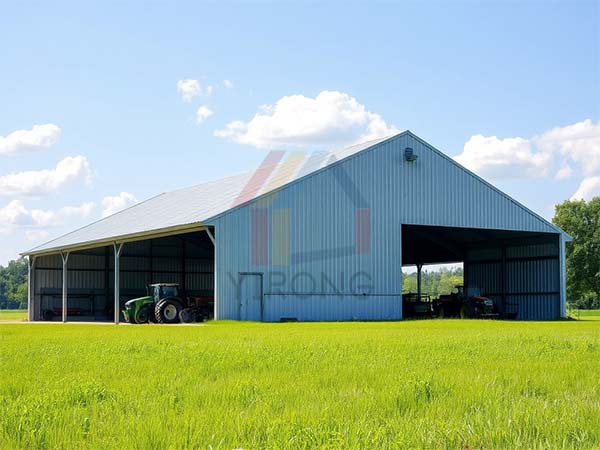
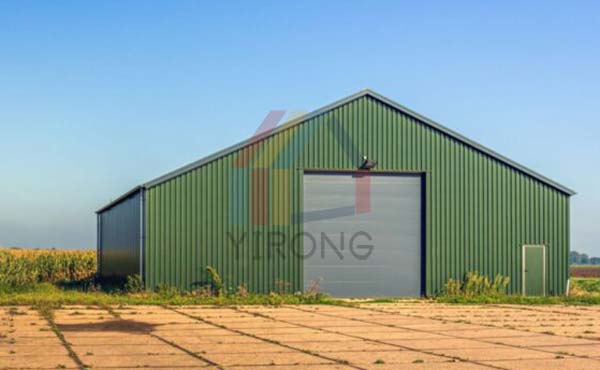
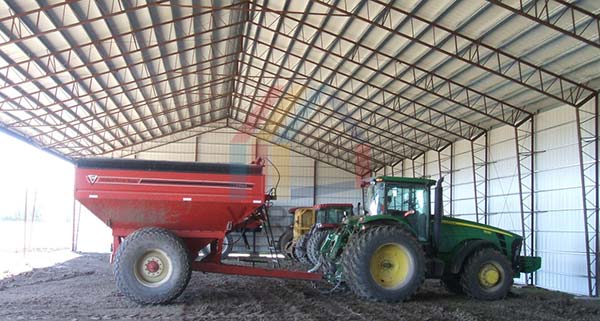
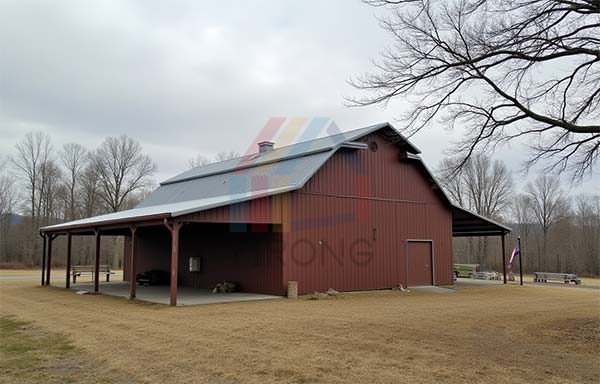
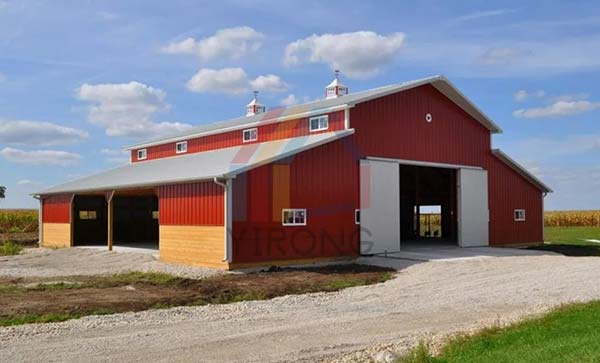
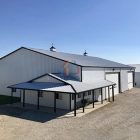
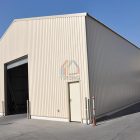
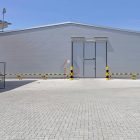
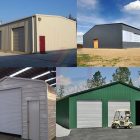
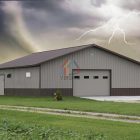
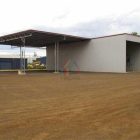
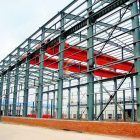
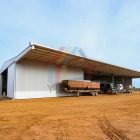
In the field of modern agriculture and warehousing, metal barns are rapidly becoming the preferred solution for farmers, businesses and investors due to their durability, flexibility and high cost-effectiveness. Whether it is storing crops, protecting agricultural machinery and equipment, or expanding storage space, owning a dedicated metal barn can provide strong protection for your asset security and operational efficiency.
Made of galvanized steel or aluminum-zinc alloy, metal barns are corrosion-resistant, rust-proof, and fire-proof, with a lifespan of more than 40 years, and can easily cope with severe weather such as storms, hail, and heavy snow to protect the safety of materials.
Significant cost-effectiveness and long-term cost savings
Compared with traditional wooden structures or concrete buildings, the construction period of metal barn is shortened by more than 50%, and no frequent maintenance is required, and the overall cost is reduced by 30%-60%.
High space utilization and flexible expansion
Customizable span (10 meters to 60 meters) and height, no intermediate column design maximizes storage space, and supports future horizontal or vertical expansion to meet business growth needs.
Environmentally friendly and sustainable, zero waste of resources
100% of steel is recyclable, and there is no construction waste during the construction process, which is in line with the development trend of green agriculture.
Multi-functional application scenarios
Not only for grain storage, but also for agricultural machinery warehouses, livestock sheds, processing workshops, and even agricultural tourism exhibition halls, one warehouse for multiple uses to enhance asset value.
2. Common types and applicable scenarios of metal barn
According to the purpose and design, mainstream metal agricultural buildings are divided into the following three categories:
3. How to choose a reliable metal building supplier?
In the metal barn sales market, the professionalism of the supplier directly affects the building quality and after-sales service. When purchasing, you need to focus on the following 4 points:
Qualifications and certifications
Confirm that the supplier has ISO certification, steel structure professional qualifications, and provides material test reports that meet ASTM or GB standards.
Design customization capabilities
High-quality suppliers should provide personalized services such as BIM modeling, load calculation, ventilation system design, etc., rather than just selling standardized products.
Construction and after-sales guarantee
Give priority to the “one-stop service” team that includes labor and materials, and ensure that the contract clearly includes a warranty of more than 10 years.
Localized service network
Local suppliers can respond quickly to installation needs, are familiar with regional climate characteristics, and optimize structural design (such as strengthening wind and snow protection).
4. Guide to the whole process of purchasing and installing metal barn
Step 1: Demand analysis and budget planning
Clarify the purpose (storage volume, equipment size, etc.), site selection conditions and budget range, and preliminarily determine the size and functional configuration of the barn.
Step 2: Supplier screening and solution confirmation
Compare the design plans, quotations and cases of 3-5 metal building supplier, and sign a contract with delivery cycle and payment nodes.
Step 3: Factory prefabrication and logistics transportation
The steel components are cut, drilled and sprayed with anti-corrosion in the factory, and the packaging and damage prevention measures need to be checked before transportation to the site.
Step 4: Foundation construction and main body installation
After pouring the concrete foundation, the professional team quickly builds it in the order of “frame assembly → wall panel/roof laying → door and window installation”, which is usually completed in 7-15 days.
Step 5: Acceptance and maintenance
Focus on checking the sealing of welds, drainage system and fireproof coating, and regularly clean up roof debris to extend the service life.
5. The long-term value of investing in metal barns
Asset preservation: c have low depreciation rates, and the combination of land + barns can significantly increase the resale value of farms.
Policy dividends: Many countries provide subsidies or tax breaks for agricultural infrastructure (such as the US Farm Storage Facility Loan program).
Risk mitigation: Avoid annual income losses due to mildewed grains and equipment loss in the open air.
Conclusion
Whether you are a family farmer or an agricultural enterprise, investing in a dedicated metal barn is a strategic choice to optimize resource management, reduce costs and increase efficiency. By choosing a professional metal building supplier, you can not only get a tailor-made solution, but also inject lasting resilience into agricultural operations. Take action now and make metal barns the most reliable backing in your agricultural territory!