Factory construction requirements and industry environment analysis in Côte d’Ivoire
In recent years, with the rapid economic development of West Africa, Côte d’Ivoire has gradually become one of the important manufacturing investment destinations in Africa. As one of the fastest-growing economies in West Africa, the local government is actively promoting industrialization, leading to the construction of numerous industrial parks and manufacturing enterprises, thus increasing the demand for factory construction. For companies planning to build factories in Côte d’Ivoire, understanding local laws, planning, technical standards, and the market environment is crucial for the smooth progress of their projects.
I. Legal and Approval Requirements
Building a factory in Côte d’Ivoire first requires compliance with local laws and regulations. According to Côte d’Ivoire’s Investment Law, Commercial Companies Law, and relevant urban planning regulations, companies typically need to complete company registration first and then apply for a construction permit. Companies can generally choose to register as a limited liability company (SARL) or a joint-stock company (SA) and submit company articles of association, shareholder information, and proof of funds to the business registration authority.
During the factory construction phase, three core permits are usually required:
Land Development Permit: Ensures the project complies with local urban planning.
Building Permit: Approval of design plans and construction schedules by the construction department.
Environmental Impact Assessment (EIA): Particularly important for industrial projects, requiring an assessment of emissions, noise, and energy usage.
In addition, some industrial sectors require specific production permits, such as building materials, mineral processing, or energy-intensive industries.
II. Factory Site Selection and Industrial Park Requirements
The Ivorian government encourages companies to build factories in industrial parks. There are over ten industrial parks nationwide, with the Abidjan Port Industrial Zone being one of the most established, attracting over 200 manufacturing companies.
Facts typically considered when selecting a factory site include:
Transportation: Proximity to ports, highways, or railways for convenient transport of raw materials and products.
Electricity and Energy Supply: Manufacturing companies have high requirements for power stability.
Land Use: Must be designated for industrial use, avoiding conflicts with residential areas.
Infrastructure: Includes supporting facilities such as water supply, sewage treatment, and communications.
In practice, many foreign companies choose to build factories in or around Abidjan industrial zones due to their convenient transportation and well-developed infrastructure.
III. Building Structure and Technical Standards
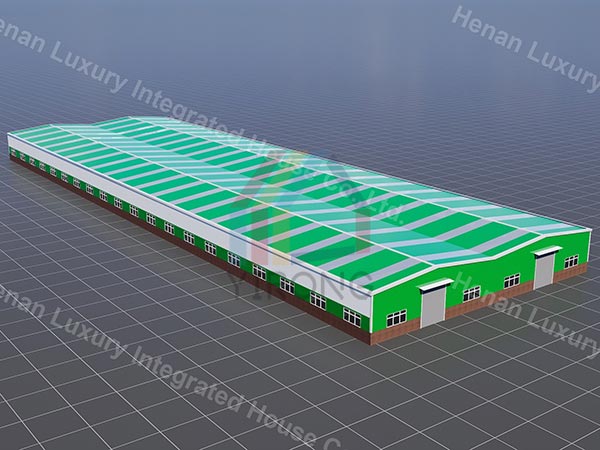
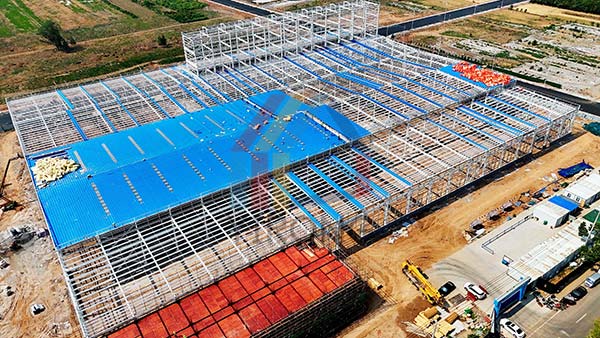
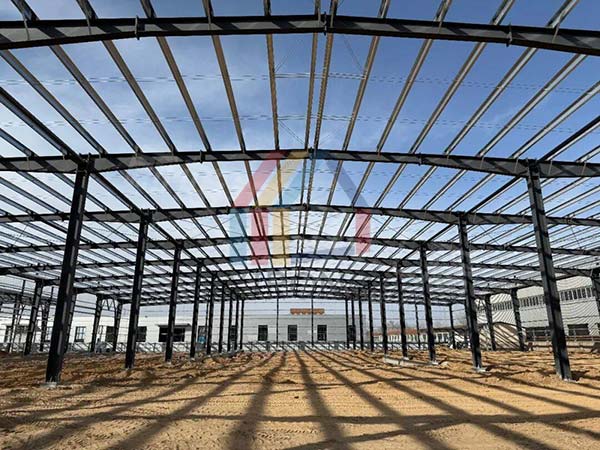
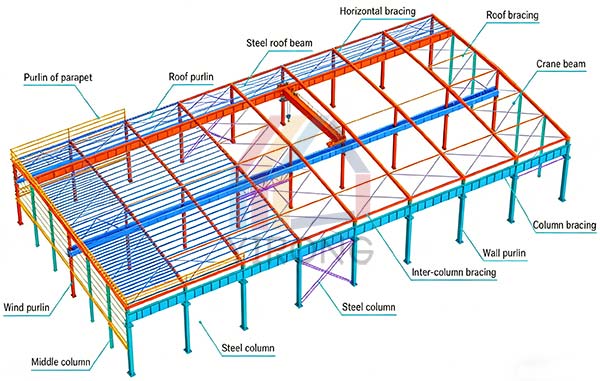
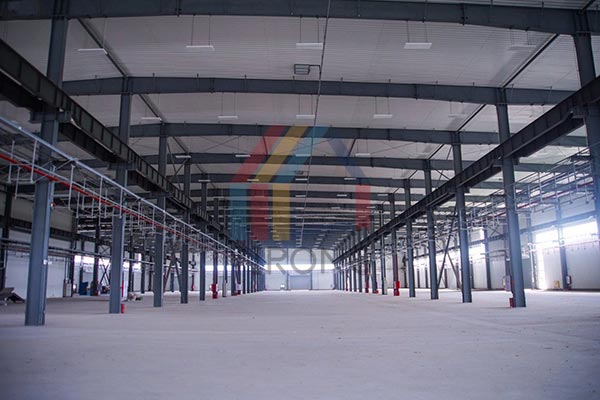
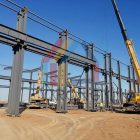
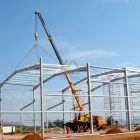
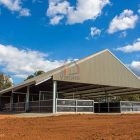
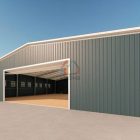
Regarding building structure, industrial plants in Côte d’Ivoire typically utilize steel or concrete structures. Steel structures are more commonly used in warehousing and manufacturing due to their faster construction speed, larger spans, and relatively controllable costs. For example, the large hangar project in the Abidjan industrial zone, with a building area exceeding 35,000 square meters and a span of nearly 80 meters, employs a steel structure design.
Regarding technical standards, the following requirements generally need to be met:
Structural Safety Standards: Compliance with local building codes and certain engineering standards of the West African Economic and Monetary Union (UEMOA).
Fire Protection and Safety Design: The plant must be equipped with fire escape routes, fire extinguishing systems, and safe evacuation routes.
Environmental Protection and Energy Conservation: Some manufacturing industries must meet emission and energy efficiency requirements.
Construction Quality Management: Construction and supervision must be carried out by qualified engineering companies.
IV. Labor and Operational Requirements
After the factory building is completed, businesses must also comply with local labor laws. Côte d’Ivoire imposes certain requirements on employers, including signing labor contracts, paying social insurance, and ensuring employee safety. Some large-scale projects also encourage prioritizing the employment of local workers to promote employment and social stability.
Furthermore, enterprises need to establish sound safety production systems, including equipment management, employee training, and accident prevention mechanisms.
V. Industry Environment and Investment Opportunity Analysis
From an industry development perspective, Côte d’Ivoire’s manufacturing sector is in a phase of rapid growth. The government hopes to reduce import dependence and promote economic restructuring by developing local manufacturing. For example, in recent years, local enterprises have begun constructing ceramic and building material production plants to meet the growing demand in the construction market.
Meanwhile, the country possesses the following advantages:
Stable economic growth: It is one of the fastest-growing economies in West Africa.
Broad regional market: It can reach the entire West African Economic Community market.
Significant policy support: The government provides tax incentives and investment facilitation services.
However, some challenges exist, such as the need for further infrastructure development in some areas, and the occasional impact of logistical conditions on the supply of building materials and construction efficiency.
VI. Conclusion
Overall, constructing a factory in Côte d’Ivoire requires meeting multiple conditions simultaneously, including legal approvals, industrial planning, construction technology, and environmental protection requirements. Before launching a project, companies should thoroughly research local regulations, select a suitable industrial park, and collaborate with experienced engineering firms.
As Côte d’Ivoire’s industrialization progresses, the demand for factory construction will continue to grow. The local market holds significant development potential for steel structure factories, logistics warehousing, and light industrial manufacturing projects. With proper compliance and planning, companies building factories in Côte d’Ivoire can not only meet local market demands but also expand into the entire West African market, achieving long-term development.