The rising demand for steel structure workshop factory
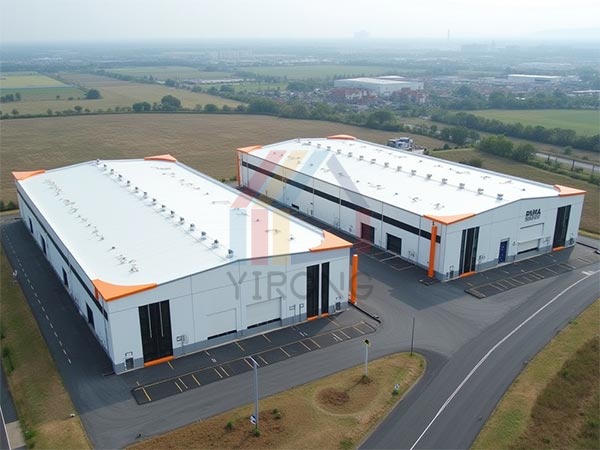
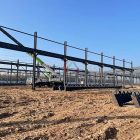
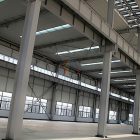
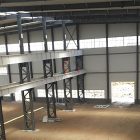
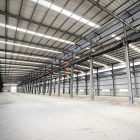
In the rapidly evolving industrial landscape, steel structure workshop factory has emerged as a cornerstone for modern construction. Combining durability, cost-efficiency, and sustainability, steel structures are redefining how industries approach facility design.
1. The Growing Popularity of Steel Structure Workshop Factory
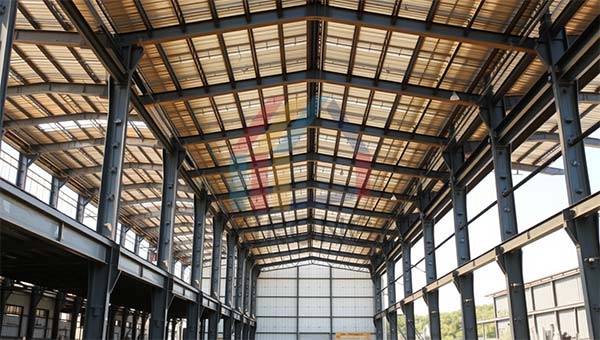
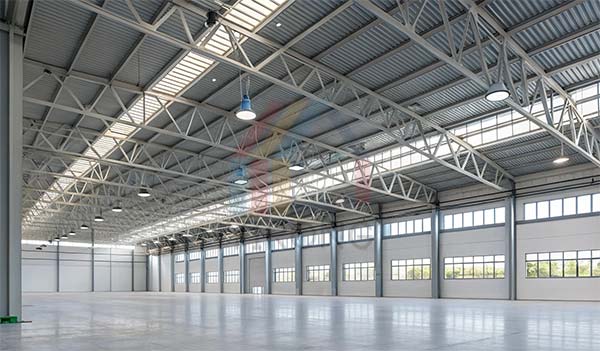
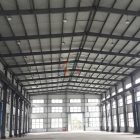
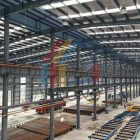
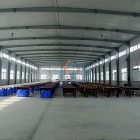
Steel structures have become the go-to solution for industrial buildings, driven by their versatility and adaptability. Steel structure workshop is widely used in manufacturing, logistics, and warehousing due to their ability to span large areas without internal columns, maximizing usable space. Similarly, steel structure factories are favored for their quick assembly, reduced labor costs, and resistance to environmental hazards like earthquakes and fires.
According to recent market reports, the global steel structure industry is projected to grow at a CAGR of 5.8% from 2023 to 2030, with Asia-Pacific leading demand due to rapid industrialization in countries like China and India.
2. Key Drivers Fueling Market Growth
a. Cost and Time Efficiency
Steel structures are prefabricated off-site, significantly reducing construction timelines compared to traditional concrete buildings. For steel structure workshop factory, this means faster ROI and minimal disruption to operations.
b. Sustainability Trends
With increasing emphasis on green building practices, steel’s recyclability (over 90% reuse rate) makes steel structure workshops and factories an eco-friendly choice. Governments and corporations are incentivizing sustainable construction, further boosting demand.
c. Industrial Expansion
The rise of e-commerce, automotive manufacturing, and renewable energy projects has spurred the need for large-scale, customizable facilities. Steel structure factory offer the flexibility to adapt to evolving production needs.
3. Challenges in the Steel Structure Industry
Despite its advantages, the sector faces hurdles:
Raw Material Price Volatility: Fluctuations in steel prices, influenced by global trade policies and supply chain disruptions, impact project budgets.
Competition from Alternatives: Materials like cross-laminated timber (CLT) are gaining traction in some regions, though steel remains dominant for heavy-duty applications.
Technical Expertise: Designing and erecting steel structure workshops requires skilled labor, which can be scarce in emerging markets.
4. Regional Market Insights
Asia-Pacific: Accounts for over 45% of global steel structure demand, driven by infrastructure investments in China and Southeast Asia.
North America: Growth is fueled by warehouse expansions and renewable energy projects (e.g., solar panel factories).
Smart Factories: Integration of IoT and automation in steel structure workshops enhances operational efficiency.
Advanced Coatings: Anti-corrosion and fire-resistant treatments extend the lifespan of steel buildings.
Modular Construction: Pre-engineered steel components enable scalable designs for factories and warehouses.
Conclusion
The steel structure workshop factory sector is poised for sustained growth, backed by industrialization, sustainability mandates, and technological advancements. Businesses investing in steel structure workshops or steel structure factory today position themselves to meet future demands while minimizing environmental impact. As the market evolves, collaboration between manufacturers, engineers, and policymakers will be critical to overcoming challenges and unlocking new opportunities.