Advantages of multi-story steel plants constructed with PU boards
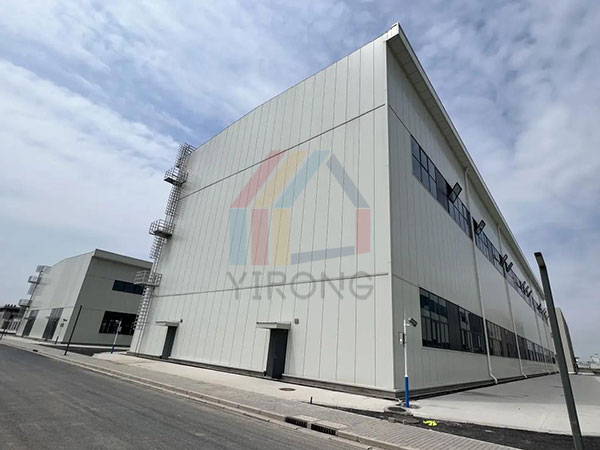
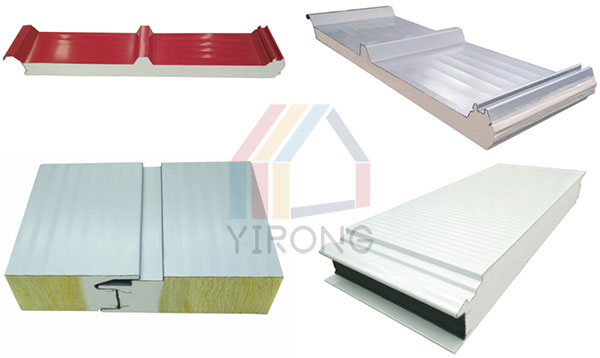
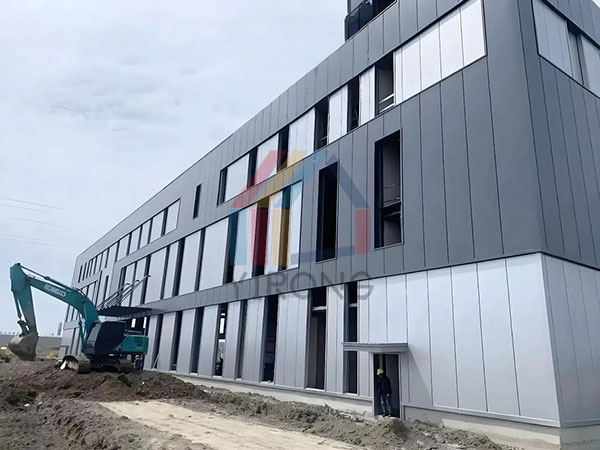
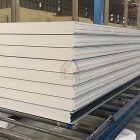
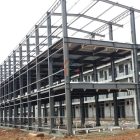
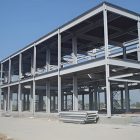
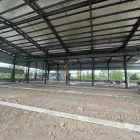
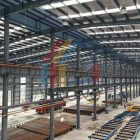
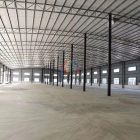
Against the backdrop of global manufacturing upgrades and scarce land resources, multi-story steel plant buildings have become mainstream due to their high space utilization and short construction cycles. The construction model combining PU boards (polyurethane composite panels) with steel structures is redefining industrial building standards with its superior comprehensive performance.
Core Advantages:
1. Lightweight and High-Strength, Overcoming Space Limitations
PU boards have a density only 1/5 to 1/3 that of concrete, yet possess excellent compressive and bending resistance. Combined with a steel frame structure, the overall weight is reduced by 40%-50% compared to traditional brick-concrete plant buildings, significantly reducing foundation load pressure, making it particularly suitable for soft soil foundations or the renovation of old factory areas. In multi-story designs, the floor height can be flexibly adjusted (typically 4-8 meters) to meet the multi-functional needs of production lines, warehousing, offices, etc., increasing output per unit area by more than 30%.
2. Superior Energy Efficiency, Reduced Operating Costs
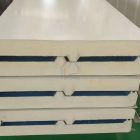
The core layer of the PU panel is closed-cell polyurethane foam with a thermal conductivity as low as 0.022-0.028 W/(m·K), providing 3-5 times the thermal insulation performance of ordinary color steel panels. It blocks external high temperatures in summer and locks in indoor heat in winter. Combined with the high airtightness of the steel structure, it can reduce factory energy consumption by 25%-40%. For electronics, food, and pharmaceutical workshops requiring constant temperature and humidity, this characteristic directly translates into long-term electricity cost savings.
PU panels are prefabricated in the factory and assembled on-site. A single panel can be up to 12 meters long, making installation more than 10 times more efficient than traditional masonry. The steel structure and PU panel enclosure are constructed simultaneously, reducing the overall construction period of multi-story factories to 60-90 days, compared to over 180 days for traditional concrete factories. For manufacturing companies urgently needing to expand production, this means a much faster market response time.
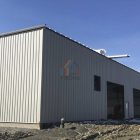
PU boards can be customized with metal panels (color steel plates, aluminum-magnesium-manganese plates, etc.) in a variety of colors and textures; the internal thickness can be adjusted (50-200mm) according to functional zones, balancing insulation and space. Combined with the modular design of the steel structure, the cost of later additions and alterations is only 1/3 of that of traditional buildings, adapting to the dynamic development needs of enterprises.
5. Economical and Friendly, Superior Costs Throughout the Life Cycle
Although the initial purchase cost of PU board is slightly higher than that of ordinary color steel plates, their lightweight characteristics reduce transportation and hoisting costs, rapid construction reduces labor input, and long-term energy saving and low maintenance (no vulnerable parts, corrosion resistance) further reduce costs. Calculations show that over a 20-year lifespan, the overall cost is 15%-20% lower than traditional factory buildings, significantly improving the return on investment.
6. Green and Sustainable, In Line with Global Trends
PU board production has low energy consumption and is 100% recyclable. The steel structure, as a recyclable material, together with the PU sandwich panels, forms a zero-waste building system. In regions like the EU and North America, which strictly enforce carbon tariffs, these low-carbon factories are more likely to obtain environmental certifications, helping companies improve their ESG ratings and expand into international markets.
Conclusion
From light industrial parks in Southeast Asia to high-end manufacturing bases in Europe, multi-story factory buildings using PU boards and steel structures have proven their versatility. They are not only a solution that is quick to build and economical to use, but also a strategic choice for companies to address resource constraints and achieve green transformation. For global users seeking efficiency and sustainability, this may be the optimal solution for future industrial buildings.