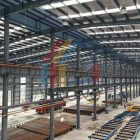
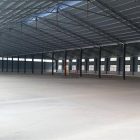
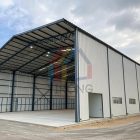
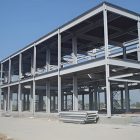
What are the advantages of steel structures in industrial warehousing?
The core advantages of steel structures in industrial warehousing can be summarized in one sentence: faster, more economical, and more flexible. Combined with current global trends in logistics, agriculture, and mining, its value is continuously increasing.
I. Construction Period Advantages
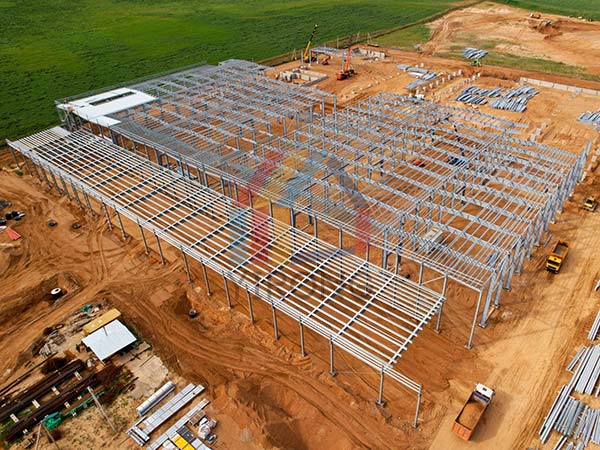
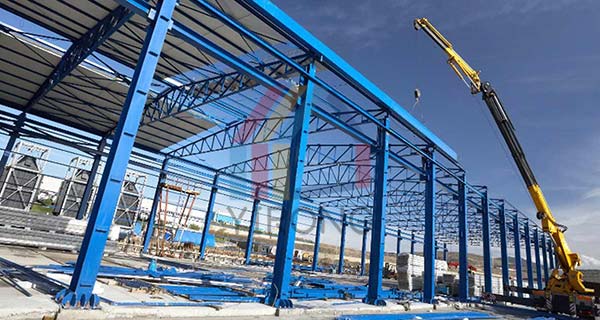
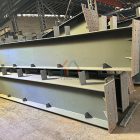
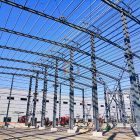
Factory Prefabrication and On-Site Assembly: Components are standardized and manufactured in factories, then directly assembled on-site, significantly reducing construction time.
Construction Cycle Shortened by 30%–60%: Compared to concrete structures, it is particularly suitable for logistics warehouses that require urgent production.
Significantly Unaffected by Seasons: Primarily dry construction, it can proceed steadily even during rainy seasons and in cold regions.
For logistics companies, this means faster operational commencement and earlier cash flow generation.
II. Cost Advantages
Low Foundation Costs: Steel structures are lightweight, reducing foundation treatment costs, making them particularly suitable for soft soil areas.
High Material Utilization: Standardized production results in low loss and recyclability.
Controllable Maintenance Costs: Modern anti-corrosion systems extend service life.
Low life-cycle cost: Steel is recyclable after demolition, with high residual value.
Long-term operating cost advantages are particularly evident in mining and agricultural projects.
III. Spatial and Functional Advantages
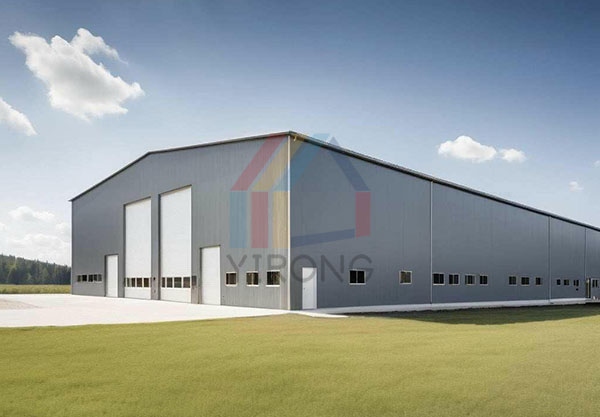
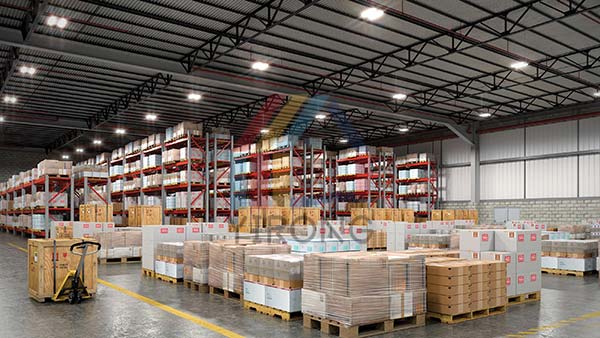
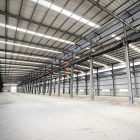
Large-span column-free space: Single spans can reach 30-60 meters or even larger, improving warehouse utilization.
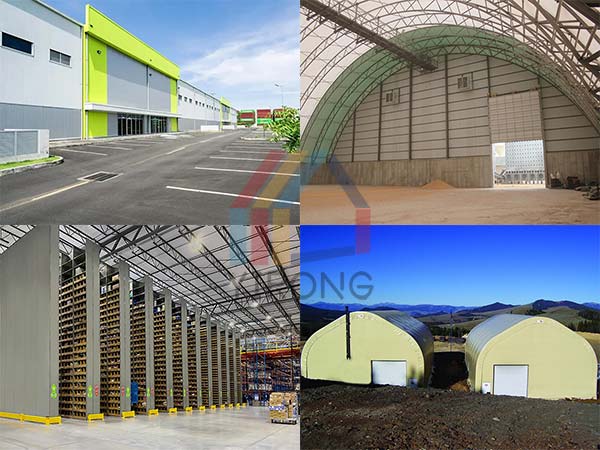
Flexible floor height: Suitable for automated storage and retrieval systems (AS/RS).
High scalability: Can be expanded or modified as business grows.
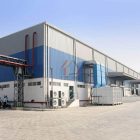
Logistics: Suitable for e-commerce warehousing and cold chain warehousing.
Mining: Equipment storage, raw material storage yards.
IV. Green and Sustainable
High recyclability (over 90%): In line with carbon neutrality and development trends;
Low construction pollution: Reduces construction waste and on-site wet work;
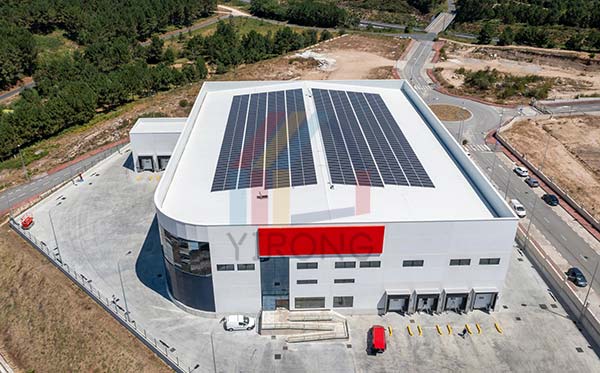
Compatible with photovoltaic roofs: Facilitates integration with new energy sources (rooftop solar power).
Green buildings are becoming standard in markets such as Europe, the Middle East, and Africa.
V. Industry Trends
Booming cross-border e-commerce and logistics: Driving rapid growth in warehousing demand.
Agricultural modernization and upgrading necessitate standardized, large-scale warehousing facilities.
Accelerated mining resource development: Remote areas increasingly rely on rapid construction capabilities.
The Belt and Road Initiative and emerging market development: Steel structures are the preferred choice due to their convenient transportation and rapid construction.
Summary
Steel structure warehousing buildings possess three core competitive advantages in the industrial sector:
Speed: Shorter construction periods and rapid production;
Economy: Reduced construction and operating costs;
Flexibility: Flexible space and easy expansion.
For companies targeting the global market, steel structures are not only a building form but also a solution to improve return on investment (ROI).