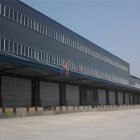
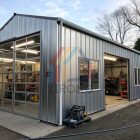
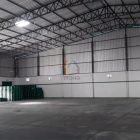
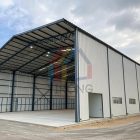
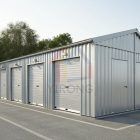
The impact of steel structure godown on logistics warehousing in Southeast Asia
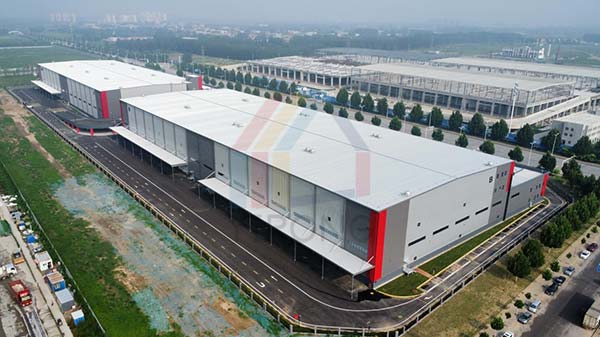
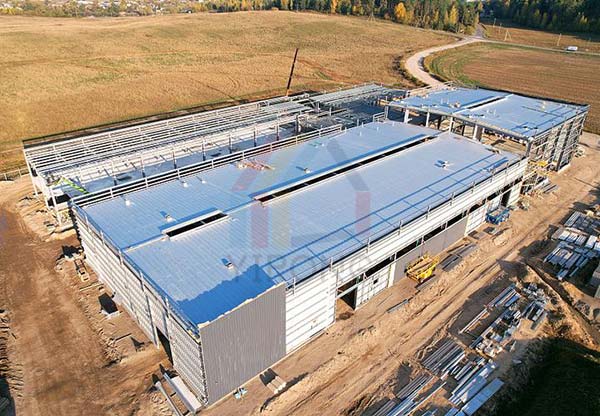
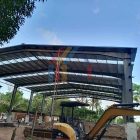
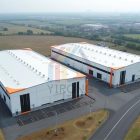
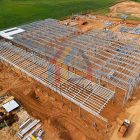
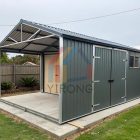
Steel structure godown with their advantages of rapid construction, strong resistance to damp heat and corrosion, and high space utilization, are addressing the long-standing pain points of land scarcity, long construction cycles, and high inventory losses faced by the Southeast Asian logistics industry, becoming a core infrastructure supporting the explosive growth of e-commerce and manufacturing.
Regional Pain Points and Country Differences Analysis
The complex geographical and climatic environment of Southeast Asia requires warehouses to have extremely high adaptability. The following is a comparison of demand in major markets:
Country/Region
Core Challenges
Targeted Advantages of Steel Structure Solutions
Indonesia / Philippines
High Seismic Zones & Typhoon Prone
Lightweight steel structures offer high ductility; combined with high-strength bolt connections, they effectively absorb seismic energy and feature anti-uplift designs to withstand typhoons.
Vietnam / Thailand
E-commerce Boom & Rising Land Costs
Steel structures enable column-free large spans (exceeding 30 meters), maximizing shelf layout density and optimizing expensive land resources.
Malaysia / Singapore
High Heat & Humidity & Strict Fire Codes
Utilizes insulated sandwich panel enclosure systems to reduce indoor temperatures; steel itself is a Class A non-combustible material, complying with stringent fire safety regulations.
Specific Impacts on Logistics and Warehousing
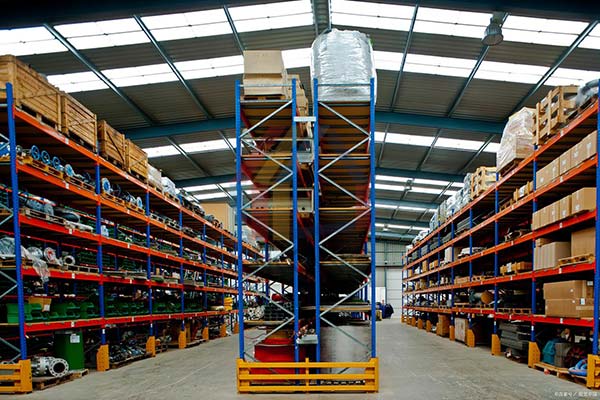
Improved Inventory Turnover Efficiency: Steel structure godown support higher ceiling heights (typically 9-12 meters), are compatible with automated storage and retrieval systems (AS/RS), and improve storage and retrieval efficiency by 300% compared to traditional single-story warehouses.
Significantly Reduced Cargo Loss: Traditional brick-and-mortar warehouses are prone to dampness and mold. Modern steel structure godown come standard with moisture-proof layers and ventilation systems, ensuring the dryness and safety of electronic products, textiles, and food in tropical climates.
Enhanced Asset Flexibility: Facing frequent policy changes and industrial relocations in Southeast Asia, steel structure buildings can be disassembled, relocated, or expanded, greatly reducing the sunk costs of fixed assets for enterprises.
Yirong Steel Structure’s Customized Solutions
Targeting the specific characteristics of the aforementioned regions, Yirong Steel Structure offers a one-stop service from design to delivery:
Structural Disaster Resistance Design: Utilizing Q355B high-strength steel, with specially optimized node design for the Philippine and Indonesian markets, ensuring structural stability during earthquakes of magnitude 8 or higher, or typhoons.
Enclosure System Upgrade: Polyurethane-sealed rock wool panels are recommended for walls and roofs. This solves the high-temperature insulation problems in Thailand and Vietnam during summer, while also meeting the fire safety standards of Singapore and Malaysia (achieving Class A fire resistance).
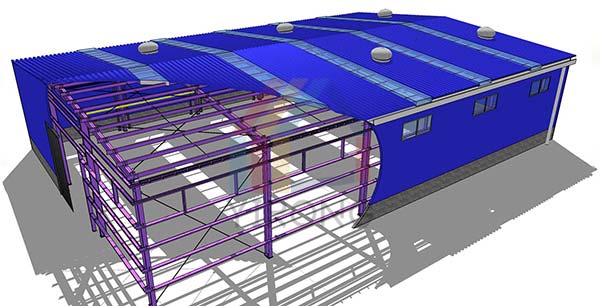
Fully Furnished Delivery: In addition to the main frame (H-beams and columns, C-beams and purlins), Yirong also provides a complete set of PVDF-coated aluminum-magnesium-manganese roofing, electric roller shutters, and drainage systems, ensuring that customers receive a plug-and-play complete kit. On-site assembly requires only bolting, without welding.
Summary
With the RCEP agreement in effect, Southeast Asian logistics real estate is entering a golden age. Choosing Yirong Steel Structure is not just about building a warehouse, but about constructing a resilient, energy-efficient, and internationally compliant modern logistics hub.